Signed in as:
filler@godaddy.com
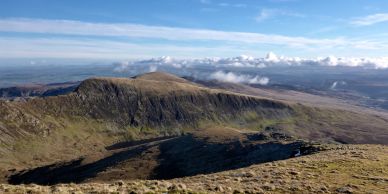
The Carneddau form the largest continuous area of high ground in Wales and are among the wildest upland landscapes in Britain. Stretching across northern Snowdonia between the Conwy Valley and the Menai Strait, the range is characterised by broad rolling summits, sweeping plateaus, and remote glacial cwms. Peaks such as Carnedd Llywelyn and Carnedd Dafydd rise above 1,000 metres, making them some of the highest mountains in Wales outside Snowdon itself. The Carneddau are famous for their sense of scale and solitude, with fewer crowds than neighbouring ranges. Wild Welsh mountain ponies roam the hills, adding to the ancient atmosphere of this rugged landscape shaped by Ice Age glaciers and centuries of sheep farming.
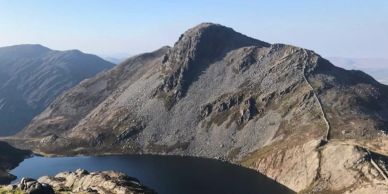
The Rhinogs are often described as the roughest and most challenging mountains in Wales. Located between Harlech and Dolgellau in southern Snowdonia, they are renowned for steep rocky ridges, deep valleys, boggy terrain, and difficult navigation. Unlike the smoother uplands of other Welsh ranges, the Rhinogs possess a jagged, untamed character formed from ancient volcanic and sedimentary rocks. Peaks such as Rhinog Fawr and Rhinog Fach dominate a landscape of heather, shattered boulders, and hidden lakes. The range has a reputation for wilderness and isolation, offering a true mountain adventure far from busy tourist paths. Ancient oak woodlands and remnants of Celtic rainforest survive on the lower slopes, making the area ecologically important as well as visually dramatic.

The Moelwyns are a compact yet striking mountain group located near Blaenau Ffestiniog in central Snowdonia. Known for their rugged summits, shattered rock fields, and industrial heritage, the range combines natural beauty with reminders of Wales’ slate-mining past. Peaks including Moelwyn Mawr and Moelwyn Bach overlook reservoirs, abandoned quarries, and steep valleys that were once at the heart of the Welsh slate industry. The mountains are often quieter than Snowdon or the Glyderau, giving walkers a strong sense of remoteness despite the nearby towns. Their dramatic geology and constantly changing weather create landscapes that can feel both bleak and beautiful, with wide views stretching across Eryri to Cardigan Bay.
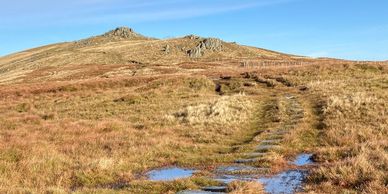
The Arenigs occupy a remote central position in southern Snowdonia and are among the least visited mountain ranges in Wales. Dominated by Arenig Fawr and Arenig Fach, the range rises from lonely moorlands and glacial lakes near Bala. The mountains are noted for their sweeping grassy ridges, rough boggy approaches, and expansive panoramas rather than dramatic crags. Their isolation gives them a peaceful, almost forgotten quality, appealing to walkers seeking quiet wilderness. The poet Hedd Wyn, who was killed during the First World War, is closely associated with the area, and a memorial overlooking Llyn Trawsfynydd commemorates his life and work. The Arenigs embody the quieter, more melancholic side of the Welsh uplands.
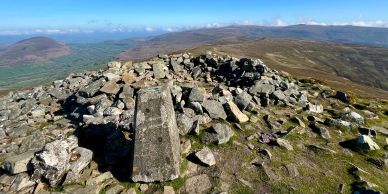
The Brecon Beacons, now officially known in Welsh as Bannau Brycheiniog, are one of the most famous mountain regions in Wales. Located in the south of the country, the range is celebrated for its sweeping sandstone escarpments, grassy peaks, waterfalls, and open moorland. Pen y Fan, the highest summit in southern Britain outside Scotland, attracts thousands of visitors each year. The national park also includes ancient forests, caves, reservoirs, and historic market towns. Rich in folklore and rural culture, the Brecon Beacons have long been associated with farming, military training, and outdoor adventure. Their accessible paths and dramatic scenery make them one of the most visited upland areas in the United Kingdom.
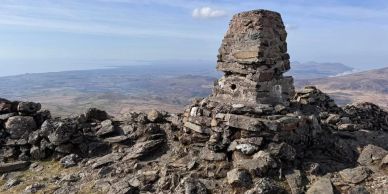
The Moel Hebog range rises dramatically above the village of Beddgelert in western Snowdonia and is known for its steep grassy slopes and commanding views. Though smaller than some neighbouring ranges, it possesses a rugged and distinctive profile that dominates the surrounding landscape. Moel Hebog itself is famed for its direct ascent routes and panoramic outlooks towards Snowdon, the Nantlle Ridge, and the coast of Cardigan Bay. The range combines rocky summits with broad ridges and quiet valleys, often offering a more peaceful alternative to the busier mountains nearby. Rich in Welsh legend and pastoral history, the area reflects the enduring connection between the mountains and the local communities below.
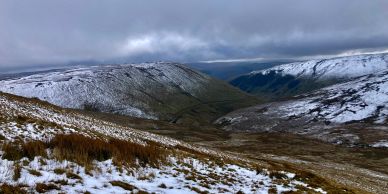
The Arans are a long, elegant mountain ridge situated south of Bala Lake in southern Snowdonia. They are among the highest mountains in Wales outside the main Snowdon massif, with Aran Fawddwy standing as the tallest peak in the range. The Arans are characterised by broad grassy ridges, isolated corries, and expansive views over Mid Wales. Compared with the busier mountains farther north, the range feels remote and peaceful, often giving walkers hours of solitude. Their smooth contours hide steep eastern escarpments and glacial features that reveal the powerful geological forces which shaped the Welsh landscape. The Arans are admired for their sense of space, silence, and natural beauty.

The Berwyn Mountains form a vast upland wilderness stretching across north-east Wales near the border with England. Sometimes called the “Welsh Alps,” the range is known for its sweeping heather moorland, long ridges, and hidden waterfalls. Unlike the rocky peaks of Snowdonia, the Berwyns are gentler in profile but possess a striking sense of openness and remoteness. Cadair Berwyn, the highest summit, offers extensive views across Wales and into Shropshire. The mountains are rich in wildlife, including birds of prey and rare upland species, and remain relatively untouched by tourism. Their isolated valleys and ancient tracks preserve a strong sense of traditional rural Wales.
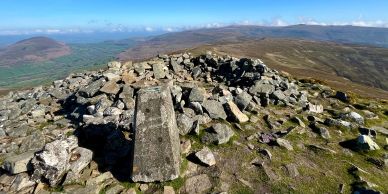
The Black Mountains lie in the eastern part of the Brecon Beacons National Park along the border between Wales and England. Distinguished by long ridges, rounded summits, and deep green valleys, the range has a softer yet deeply atmospheric beauty. Peaks such as Waun Fach overlook ancient farms, winding rivers, and quiet market towns. The area is steeped in Welsh history and folklore, with traces of Iron Age hillforts, medieval routes, and monastic settlements scattered across the landscape. The Black Mountains are especially admired for their changing light and colour, from purple heather in late summer to mist-filled valleys in winter. Their combination of wild uplands and pastoral scenery makes them one of the most evocative mountain regions in Britain.